
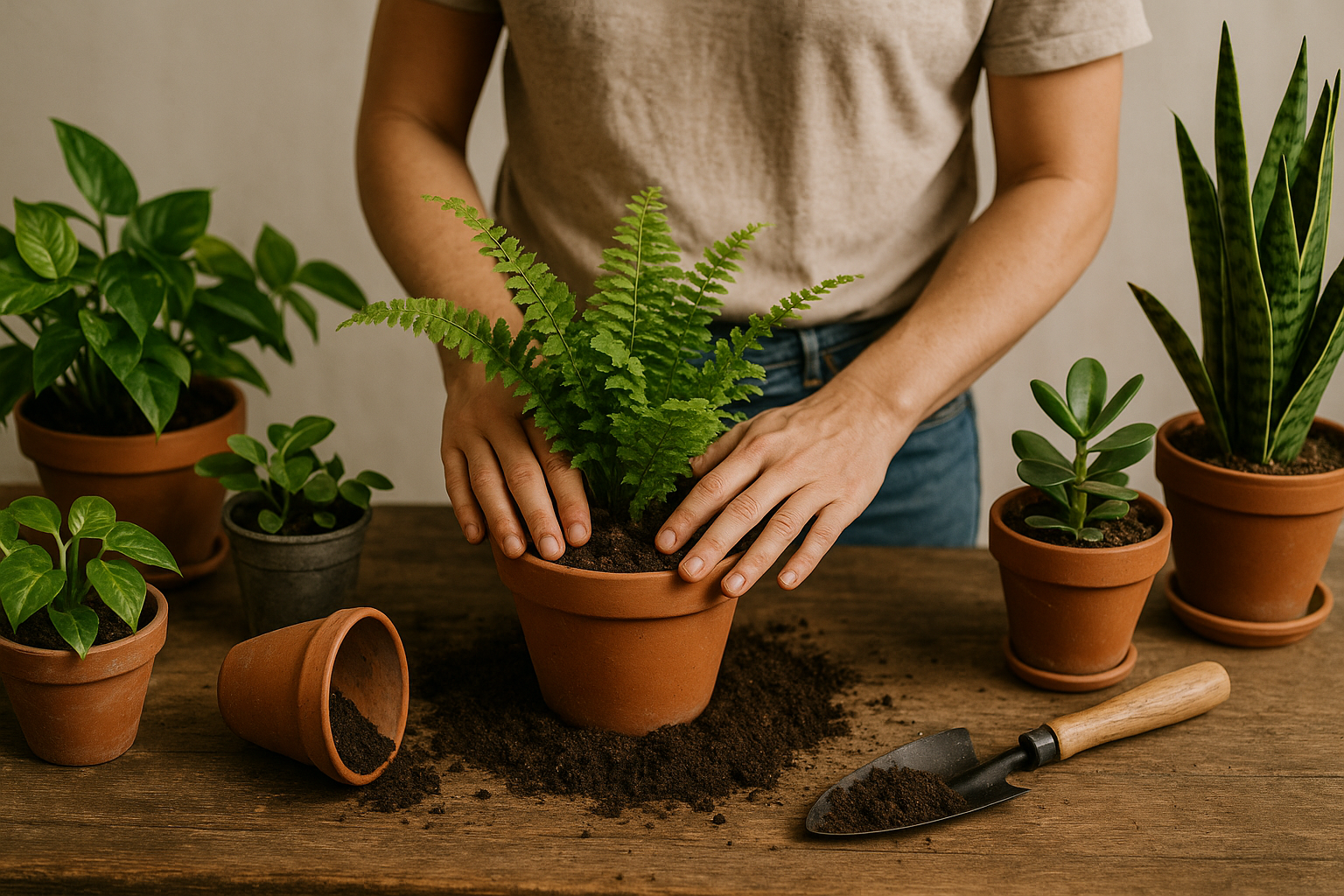
Caring for plants doesn’t have to be expensive. In fact, with a bit of creativity and knowledge, anyone can build a thriving garden even with limited resources. Whether you live in a small apartment or a house with a yard, there are clever ways to save money while keeping your plants healthy and happy. In this article, we’ll explore actionable, budget-friendly tips for plant care that don’t sacrifice beauty or functionality.
Start Small and Grow Slowly
One of the most common mistakes beginners make is buying too many plants at once. This can be overwhelming and expensive. Instead, start with a few easy-to-care-for species and expand your collection gradually as you gain experience.
Low-cost starter plants include:
- Spider plants
- Snake plants
- Pothos
- Aloe vera
- Succulents
These types require minimal care and are usually affordable or even available for free through plant swaps.
Use Recycled Containers as Pots
Plant pots can be surprisingly expensive. A great way to save money is by reusing items you already have at home.
Creative pot alternatives:
- Old yogurt or ice cream containers
- Tin cans (with holes drilled for drainage)
- Broken kitchenware like mugs or bowls
- Plastic bottles cut in half
- Wooden crates or baskets
Just make sure your DIY pots have drainage holes to avoid root rot.
Make Your Own Fertilizer
Buying fertilizer every few months adds up quickly. Luckily, many kitchen scraps can be turned into nutrient-rich food for your plants.
DIY compost or liquid fertilizer ideas:
- Banana peel tea: Soak banana peels in water for a few days and use the water to feed your plants.
- Crushed eggshells: Rich in calcium and ideal for tomatoes and peppers.
- Coffee grounds: Add to soil to enrich it with nitrogen (best for acid-loving plants).
With a little practice, you can nourish your garden for free.
Propagate Instead of Buying New Plants
Propagation is a wonderful way to grow your plant collection without spending a dime.
Popular plants that propagate easily:
- Pothos: Cut just below a node and place the cutting in water.
- Spider plant: Use the baby “spiders” and plant them in soil.
- Mint and basil: Take stem cuttings and grow them in water or directly in soil.
You can even swap cuttings with friends or online plant communities.
Water Smarter, Not Harder
Overwatering wastes water and can kill your plants. Learn to water only when necessary.
Tips to save water and avoid waste:
- Use a spray bottle for small indoor plants.
- Water in the early morning or late afternoon to prevent evaporation.
- Collect rainwater or reuse water from rinsing fruits and vegetables.
- Group plants together to create a microclimate that reduces water needs.
Every drop counts — both for your plants and your wallet.
Create Your Own Soil Mix
Buying bagged soil for every plant can get pricey. Instead, consider creating your own mix using compost, coco coir, and garden soil.
Basic homemade potting mix:
- 1 part compost
- 1 part garden soil
- 1 part coco coir or peat moss
You can also add sand or perlite for better drainage, depending on the plant type.
Use Natural Pest Control Methods
Chemical pest control products are costly and may harm your plants over time. Natural alternatives are not only cheaper but safer.
Budget-friendly pest control tips:
- Spray a mix of water and dish soap to repel aphids.
- Use neem oil or garlic spray as a natural insecticide.
- Keep your plants healthy to naturally deter pests.
- Introduce beneficial insects like ladybugs, if possible.
Consistency and observation are key to managing pests without spending money.
Repurpose Household Items for Plant Support
No need to buy fancy trellises or stakes. Everyday items can work just as well.
Ideas for free or cheap plant supports:
- Chopsticks or skewers for small plants
- Old hangers shaped into trellises
- Twine or string tied to nearby walls or railings
- Wire coat hangers bent into frames
This is especially useful for climbing plants like tomatoes, peas, or ivy.
Swap, Share, and Reuse
Community is your best resource when gardening on a budget.
- Join plant swap groups: Facebook, Reddit, and local events are full of plant lovers willing to trade.
- Check neighborhood giveaways: Many people give away free pots, soil, and cuttings.
- Ask friends or neighbors for cuttings: It’s a friendly and free way to build your garden.
- Reuse materials: Cardboard, newspaper, and even old t-shirts can be used for weed control or insulation.
Make Gardening a Sustainable Habit
Staying frugal while gardening isn’t about being cheap — it’s about being smart and resourceful. Every cost-saving habit you build makes you a more conscious and sustainable gardener.
Long-term habits to adopt:
- Grow plants that give back (herbs, edible greens)
- Save seeds from fruits and vegetables
- Keep learning and experimenting
- Track what works so you avoid costly mistakes
- Enjoy the process without rushing to buy more
Turning Green on a Budget Is Totally Possible
Gardening doesn’t have to drain your wallet. With a little ingenuity and patience, you can build a green space that brings beauty, calm, and satisfaction — all while spending very little. The best part? You’ll feel even more connected to your plants knowing that you’ve nurtured them with creativity and care rather than cash.
Ready to roll up your sleeves and get planting? Your budget-friendly garden awaits!